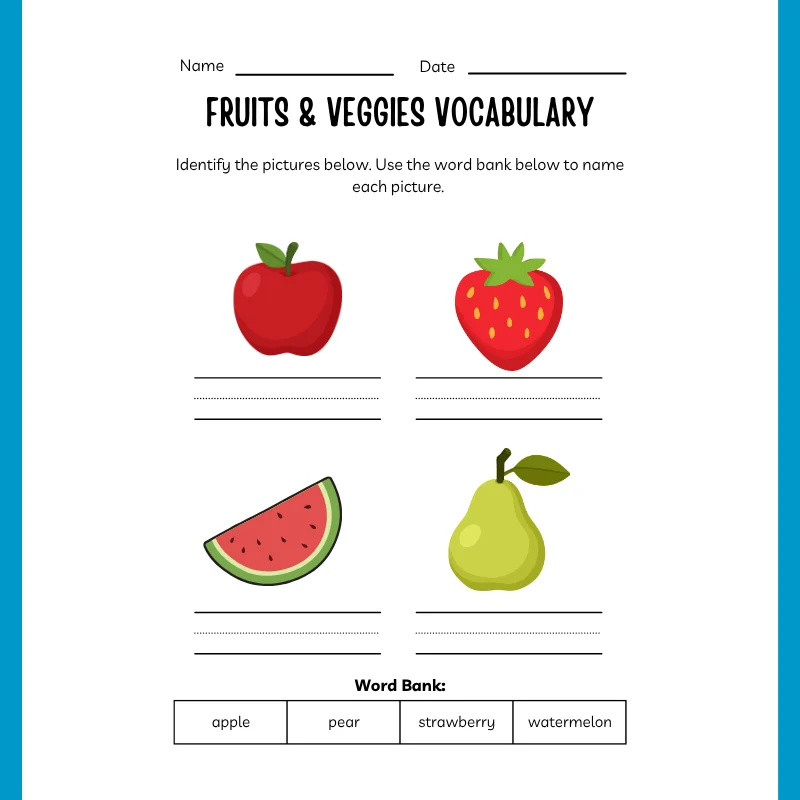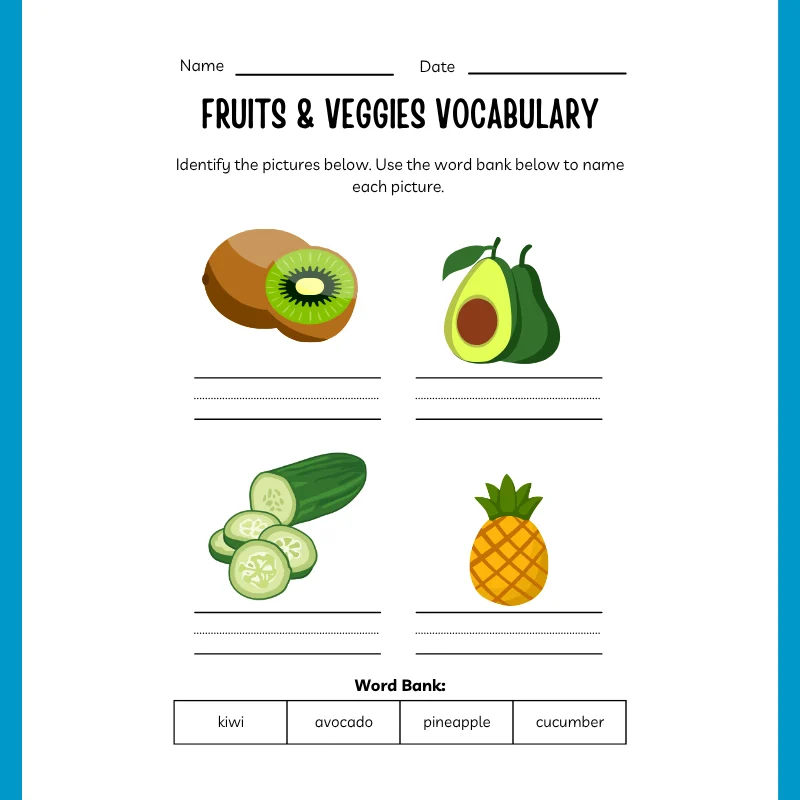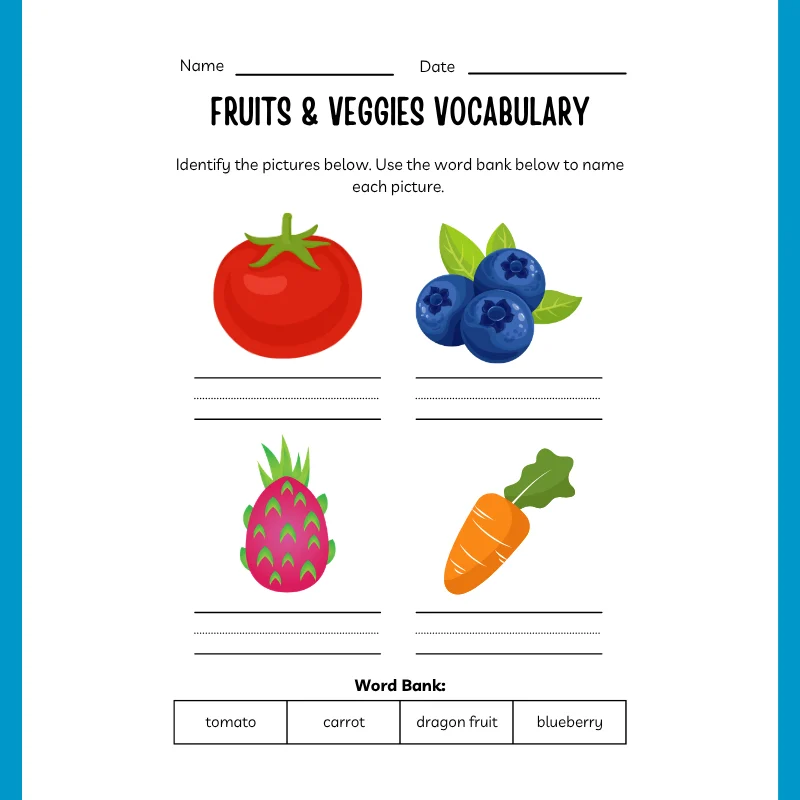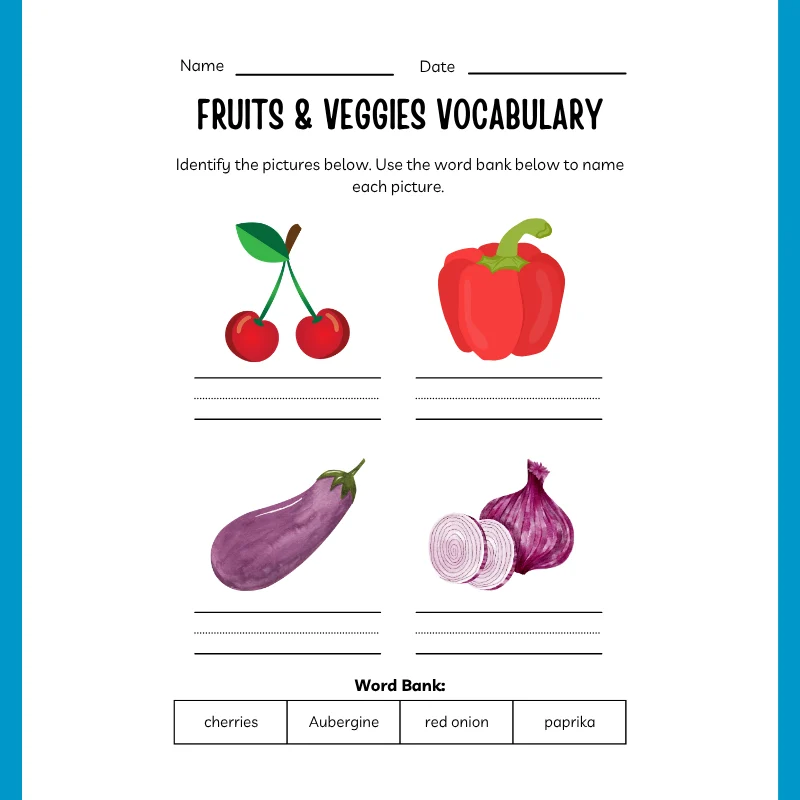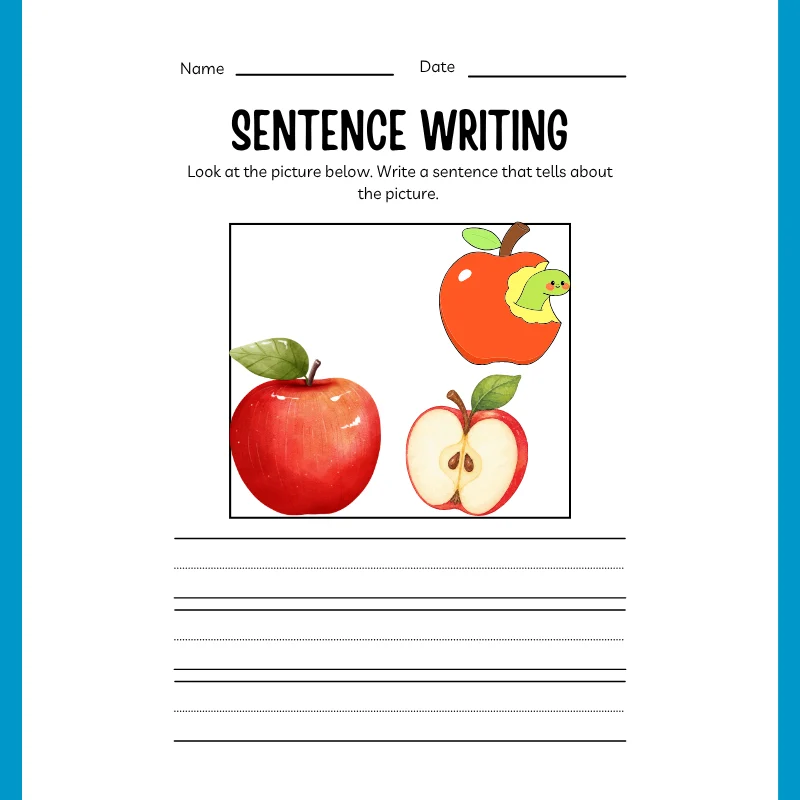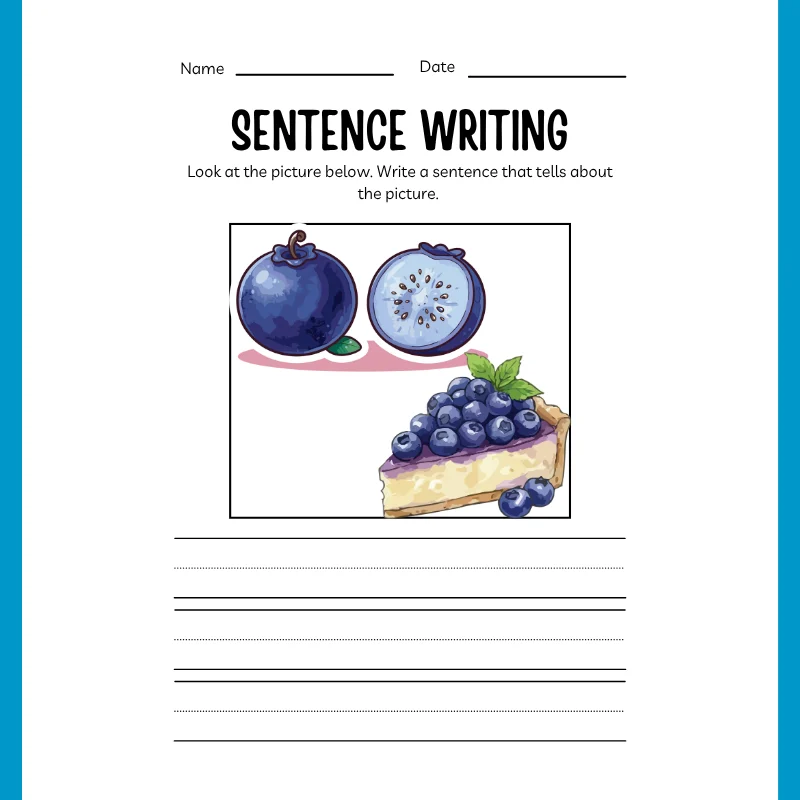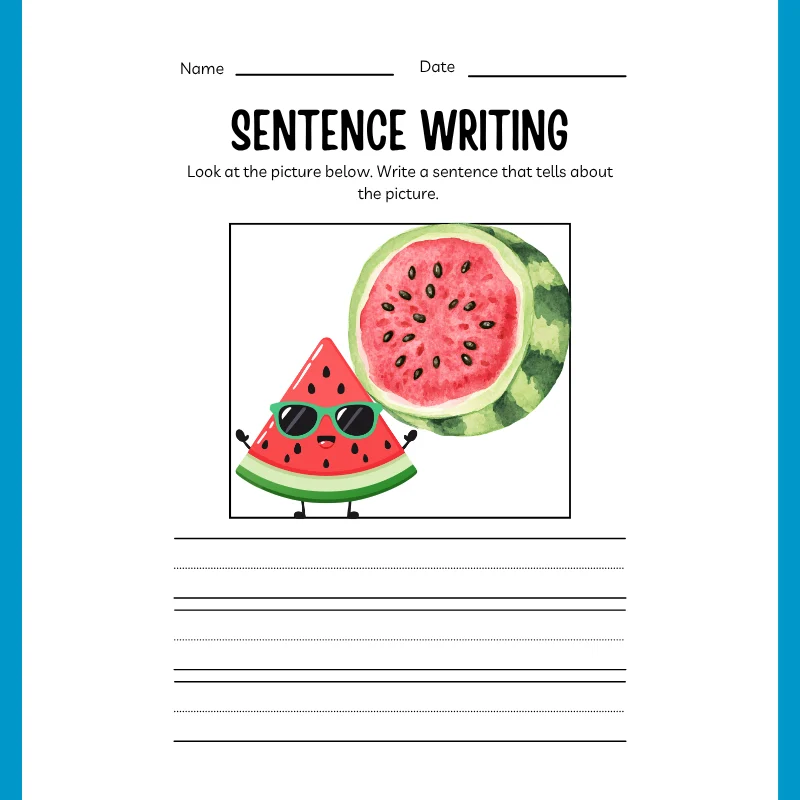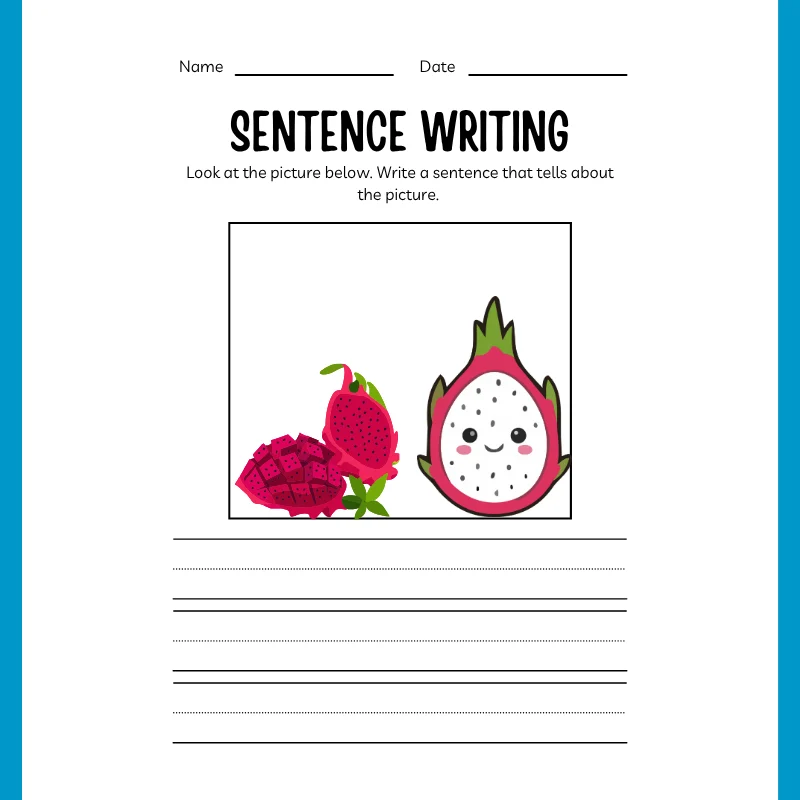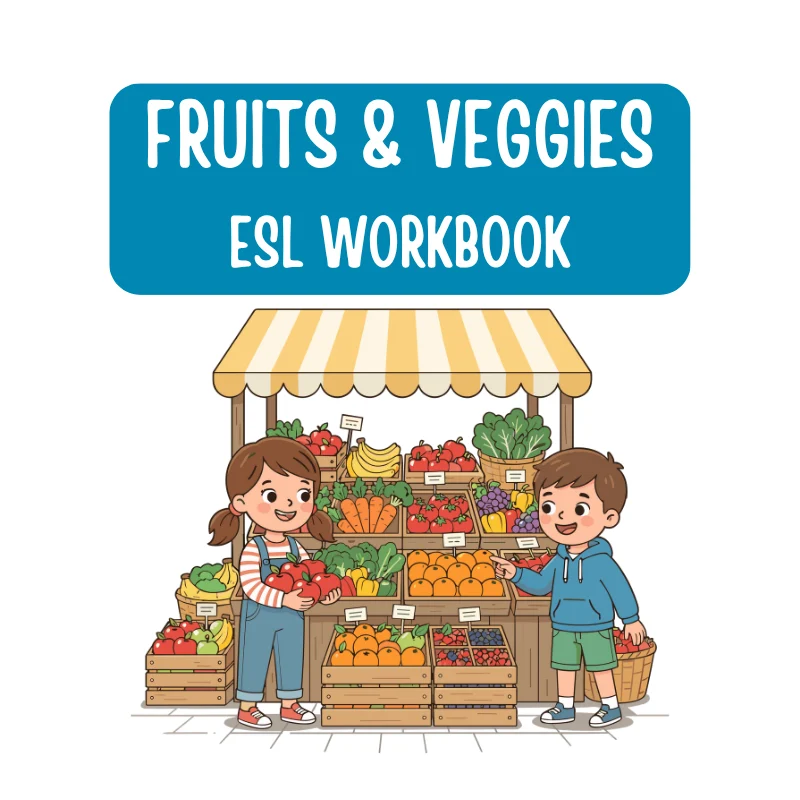

Teaching children about fruits and vegetables in an ESL (English as a Second Language) context can be both fun and educational. Here’s a structured approach to help engage young learners:
Introduction to Fruits and Vegetables
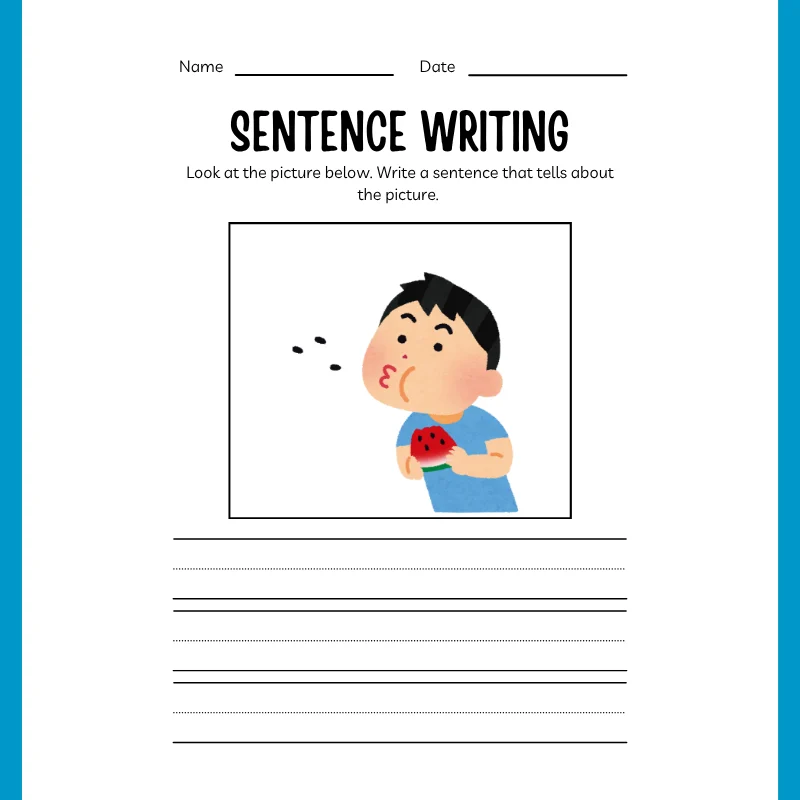
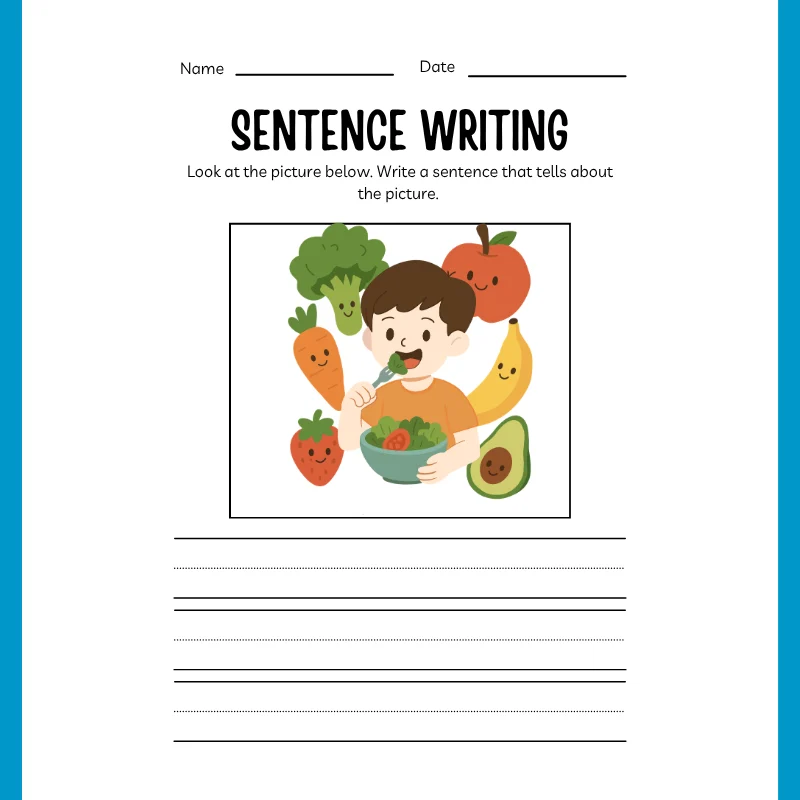
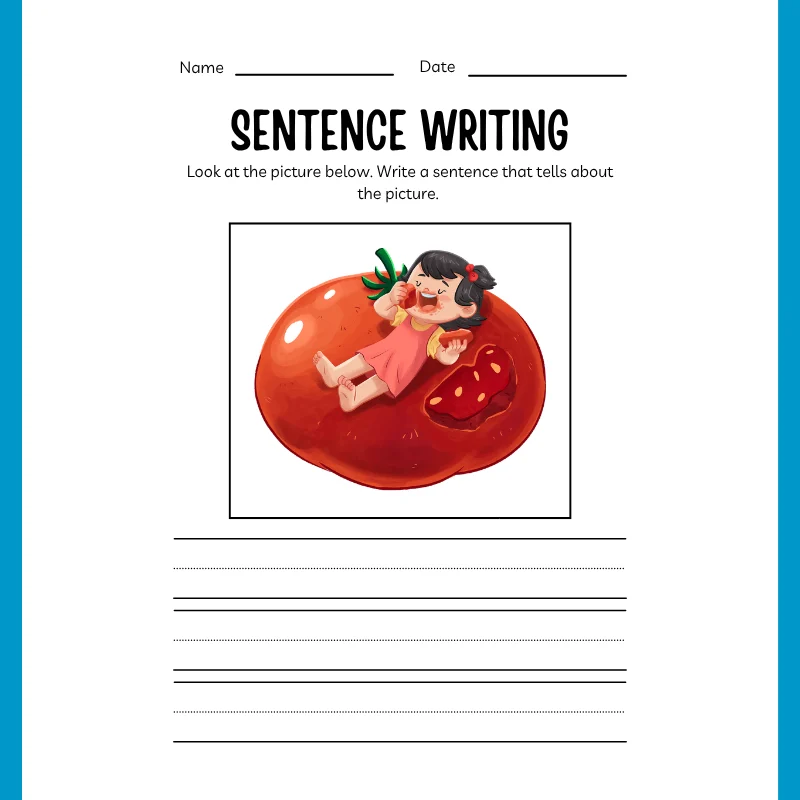
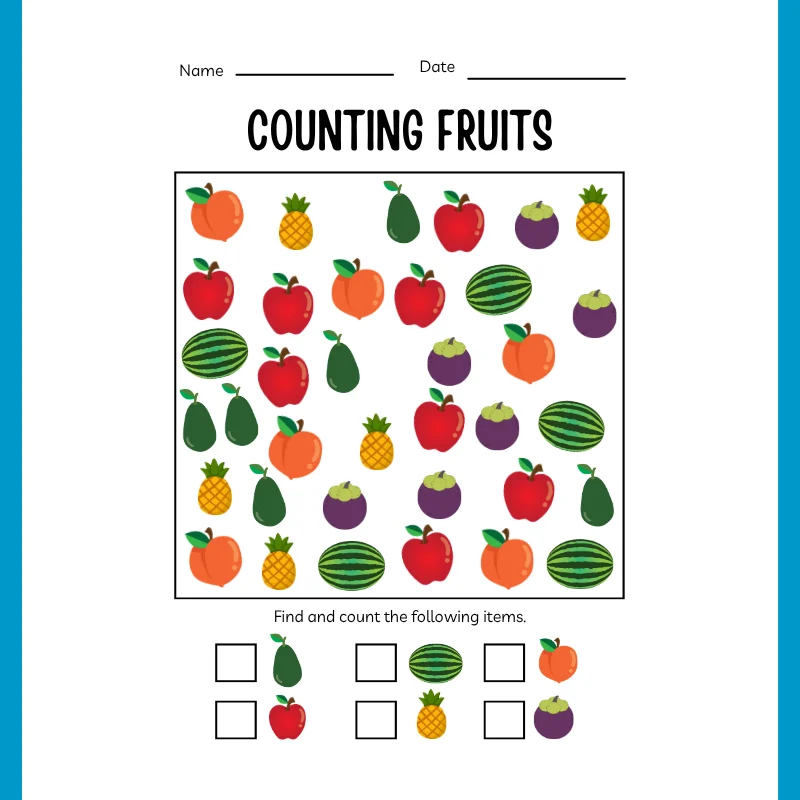
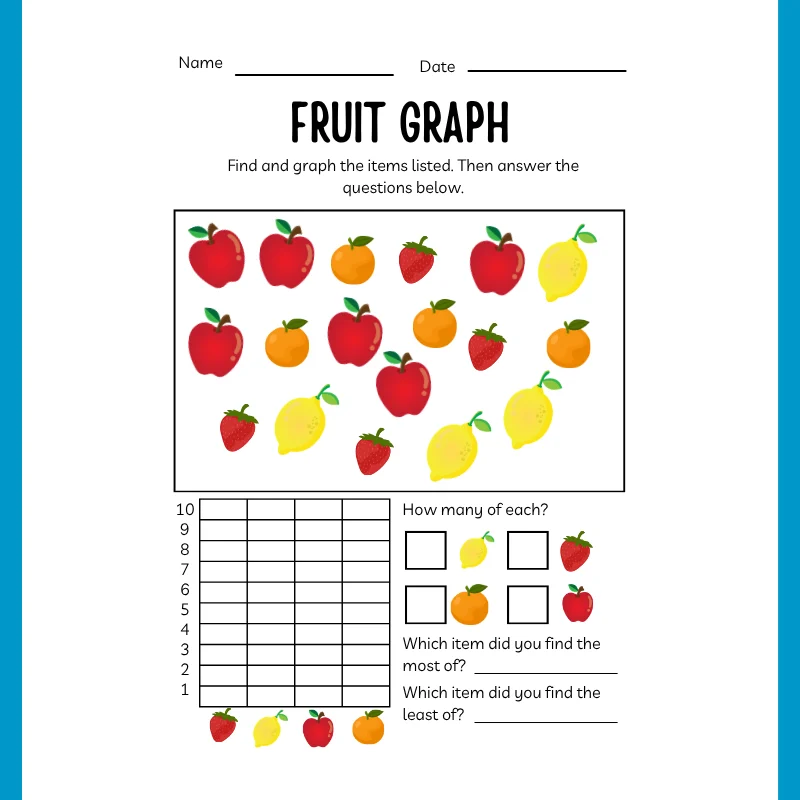
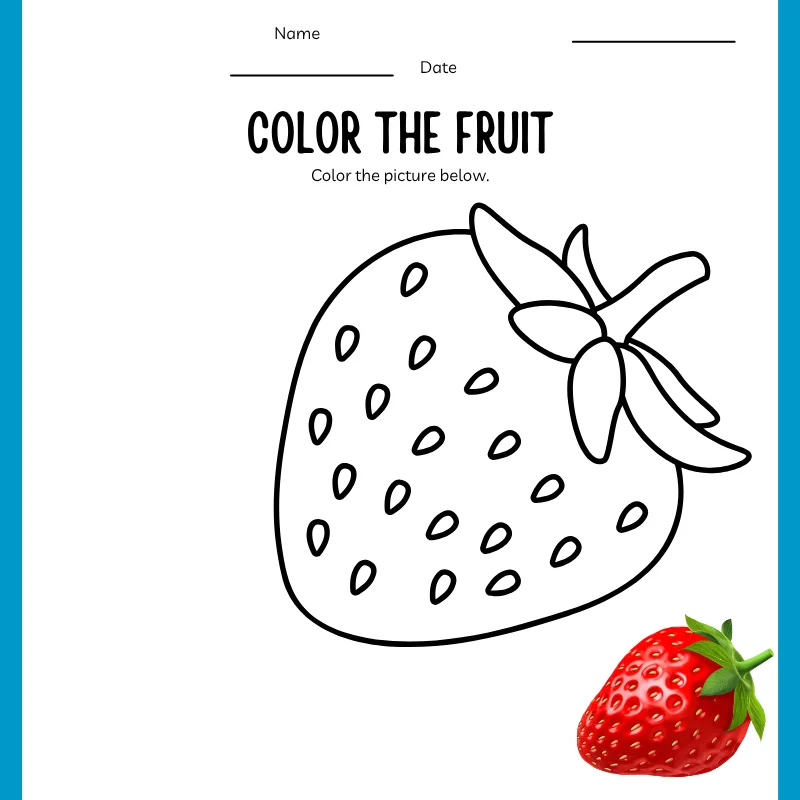
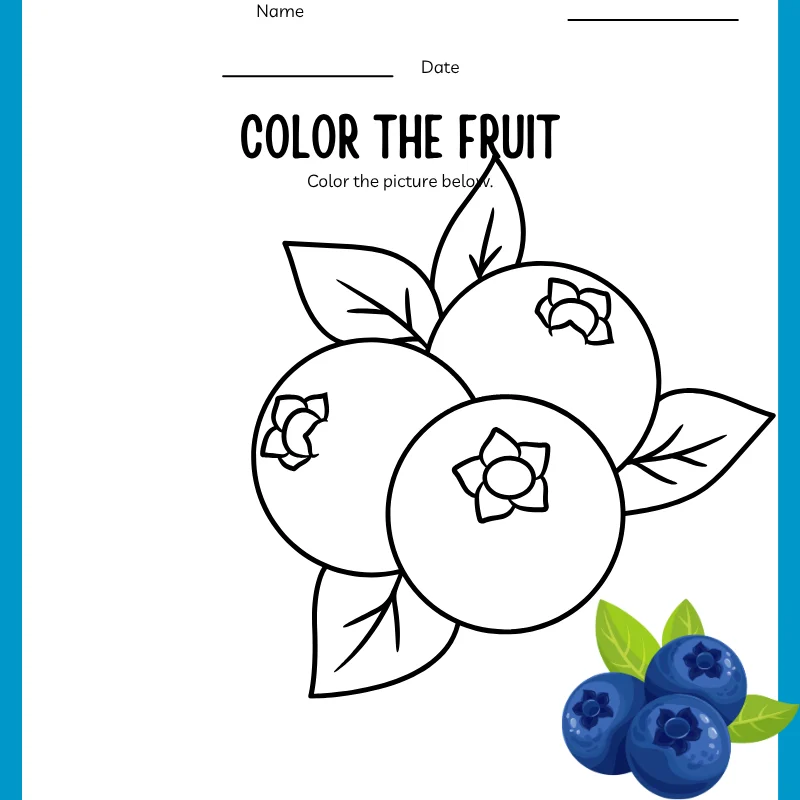
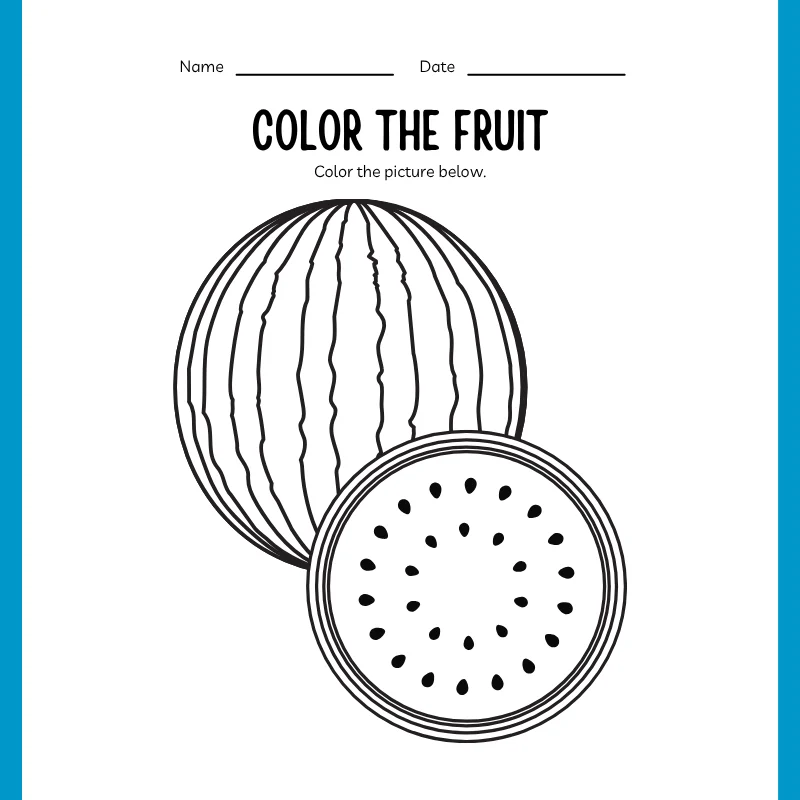
Start with a simple introduction to what fruits and vegetables are. Use visuals like pictures or real examples to make it more interactive.
Key Vocabulary:
- Fruits: apple, banana, orange, grape, strawberry
- Vegetables: carrot, broccoli, spinach, potato, cucumber
Songs and Rhymes
Incorporate songs and rhymes that mention fruits and vegetables. This helps with memorization and makes learning enjoyable.
Example Song: (To the tune of ”Twinkle, Twinkle, Little Star”)
Fruits and veggies, oh so bright,
Eating healthy feels just right.
Apples, oranges, carrots too,
Broccoli and spinach, good for you!
Fruits and veggies, every day,
Help us grow in every way.
Conclusion
Wrap up the lesson by reviewing the names of the fruits and vegetables learned. Encourage children to share their favourite fruits and vegetables at home.
By using engaging activities, songs, and visuals, children will not only learn the vocabulary but also develop a positive attitude towards healthy eating!